Community Wildlife Monitoring Project - Interstate 90

The Interstate 90 corridor is a key wildlife movement route in the Central Cascades. Our monitoring helps understand animal movement and improve habitat connectivity across the landscape.

ODHE 180704 2
Our Approach

Tracking wildlife movement through the I 90 corridor to guide habitat connectivity and evaluate crossing structure success.

The I 90 corridor cuts through one of the most important wildlife movement routes in the Central Cascades, and understanding how animals navigate this landscape is essential for reconnecting habitat. Our monitoring work deploys trained volunteers to deploy remote cameras, conduct winter snow tracking surveys, and document species using the area around Snoqualmie Pass.

These data help agencies and researchers assess how well new crossing structures function and where additional connectivity investments are needed. By coordinating community based monitoring grounded in rigorous scientific protocols, we provide the information needed understand the role this crossing provides for our wildlife and informs best practices for future efforts.

Current Focus

Work We’re Doing to Achieve Interstate 90 Goals

Capa 1 1

Volunteer Monitoring

We engage hundreds of volunteers in monitoring wildlife movement across the I-90 corridor, generating data that has directly informed the design and placement of wildlife crossings in the Snoqualmie Pass East Project.

Led by Senior Coordinator Tanner Humphries and guided by wildlife biologist David Moskowitz, our program brings together CNW staff, agency partners, and independent scientists to design and implement monitoring strategies that support long-term connectivity goals.

Although volunteer opportunities are limited due to high demand, we continue to train and mentor new participants through our Wildlife Monitoring Apprenticeship, a seasonal field-based program that builds skills in winter tracking, research methods, and outdoor safety.

icon 8

Training & Legacy

Our apprenticeship program strengthens the next generation of conservation leaders by providing mentorship, field certifications, and hands-on experience in wildlife monitoring.

We prioritize participation from communities historically underrepresented in conservation and help outfit apprentices with the gear needed to succeed in winter field conditions. While our I-90 Wildlife Watch program has concluded, the data collected played a critical role in helping WSDOT identify key crossing locations along the 15-mile corridor.

Through the I-90 Wildlife Corridor Campaign and the I-90 Wildlife Bridges Coalition, which we administer and fiscally sponsor, we continue working with WSDOT, elected officials, and community partners to make this vital stretch of highway safer for both people and wildlife.

Impact & Results

A History of of Interstate 90 Work
Wildlife monitoring along the Interstate 90 corridor has played a key role in understanding animal movement through the Central Cascades. This long-term effort has combined community science, research, and agency collaboration to guide wildlife crossing design and habitat connectivity planning.
Snowshoe tracking surveys
Camera trapping
Wildlife Watch
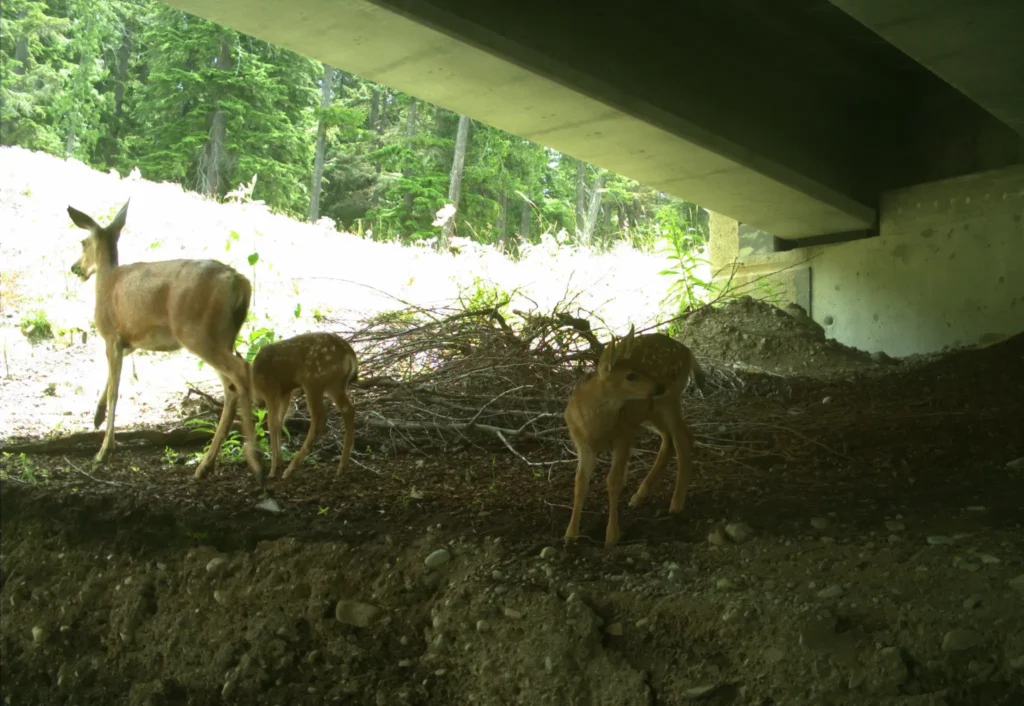
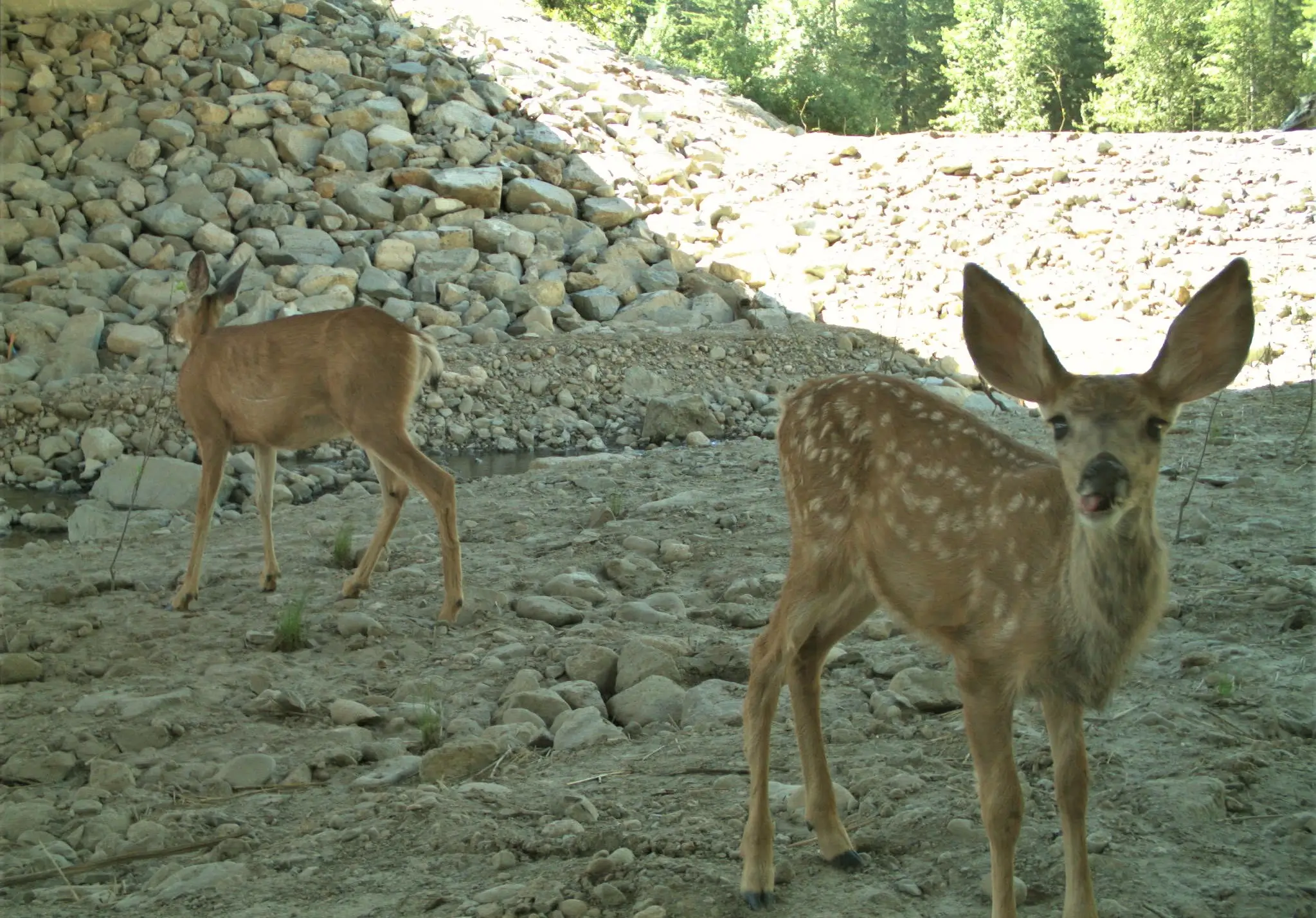
Mule deer fawns. WSDOT

Snowshoe tracking surveys

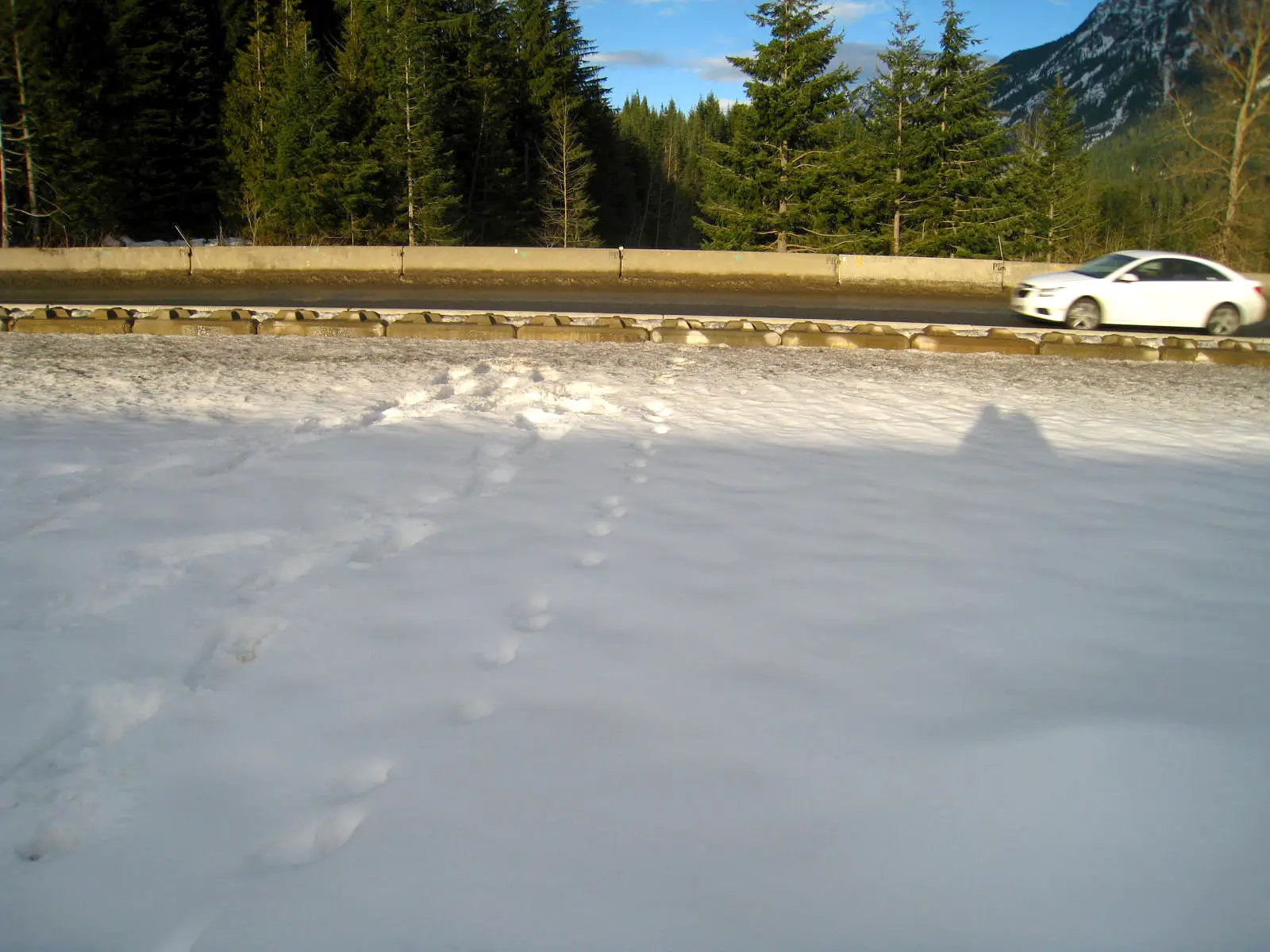
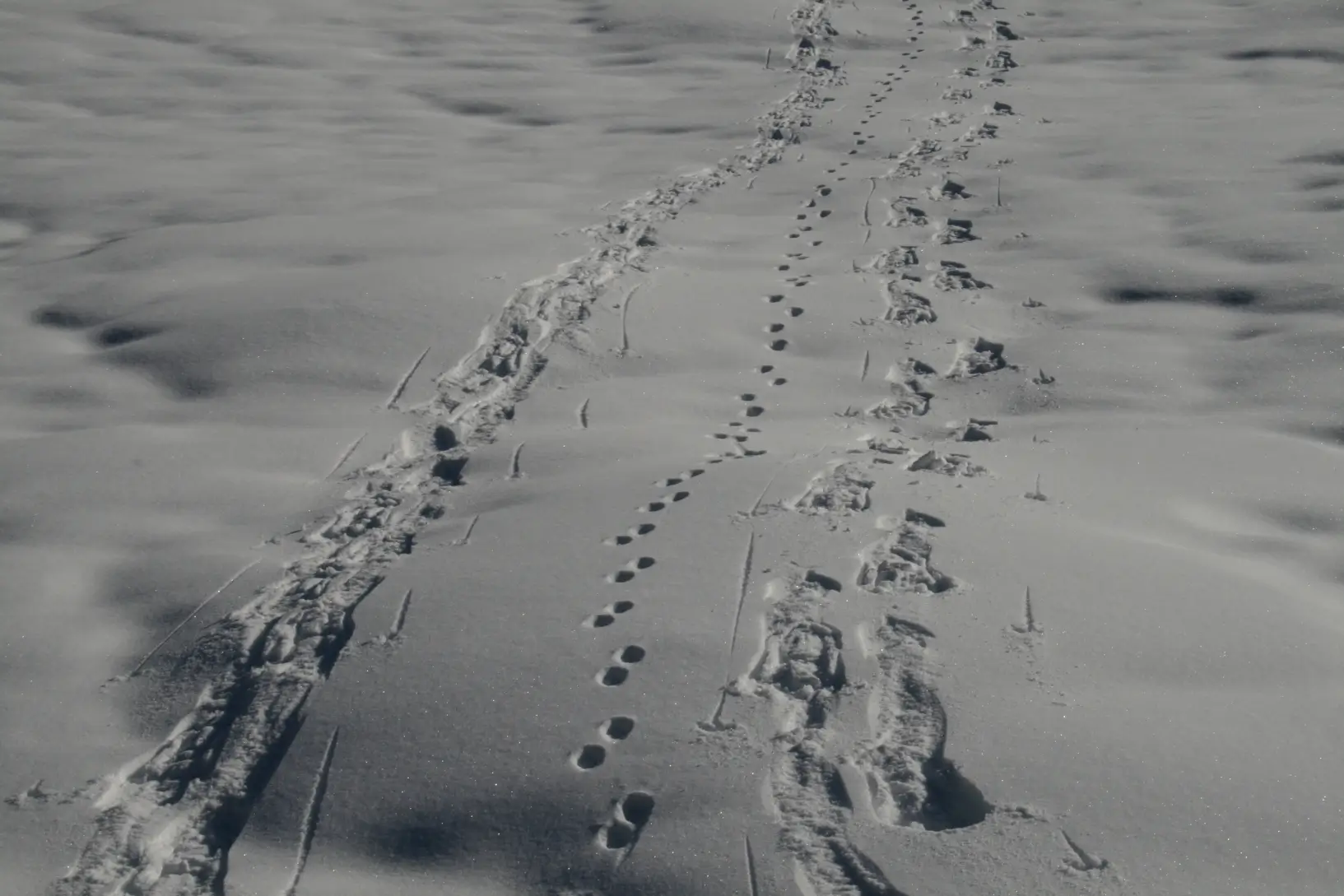
Starting in 2006, we organized our efforts into the Community Wildlife Monitoring Project and added winter snow tracking surveys around Interstate 90 near Snoqualmie Pass. Since then, we have been able to take out hundreds of volunteers to determine where wildlife are present along the I-90 corridor and what they are doing. These surveys take place every winter and have helped inform WSDOT’s Snoqualmie Pass East Project, which is currently aimed to be completed by 2029.
Herd of cow elk at Hyak. WSDOT

Camera trapping

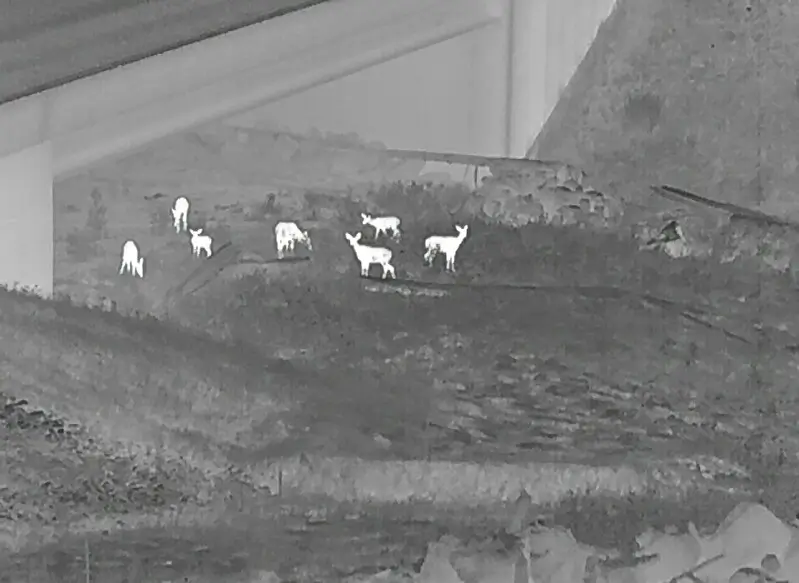
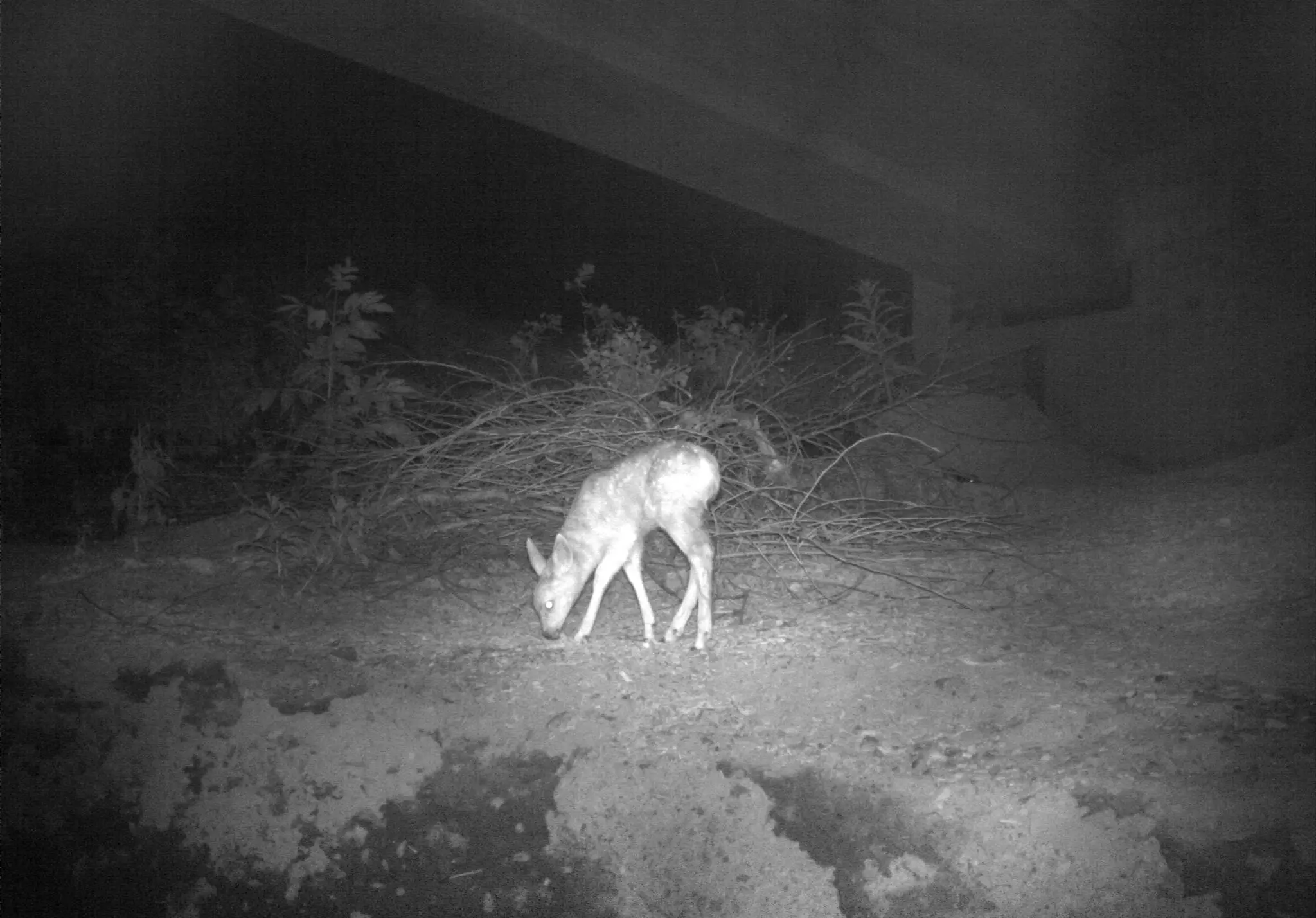
Conservation Northwest has been conducting remote camera monitoring for rare and recovering wildlife since 2001. In addition to our broader camera trapping work throughout Washington state and BC Canada, CNW partnered with WSDOT to deploy cameras on the wildlife crossings on I-90 as part of the Snoqualmie Pass East Project.
tracks in snow

Wildlife Watch

Conservation Northwest led a program from 2010-2021 called I-90 Wildlife Watch, which was launched to encourage the 30,000 motorists that drive I-90 through the corridor each day to report live or dead wildlife they see from their cars. This community-science based wildlife monitoring project was supported by Central Washington University, the Washington State Department of Transportation (WSDOT), the Washington Department of Fish and Wildlife, the US Fish and Wildlife Service, and the US Forest Service. Information gathered about wildlife presence along the interstate was used to inform WSDOT’s design and monitoring of their I-90 Snoqualmie Pass East Project, along with Conservation Northwest’s I-90 Wildlife Corridor Campaign, and other efforts.
Impact & Results

Our Key Accomplishments in Forest Habitat

From protecting critical landscapes to advancing collaborative forest restoration, these efforts deliver lasting benefits for wildlife, habitat connectivity, and climate resilience.

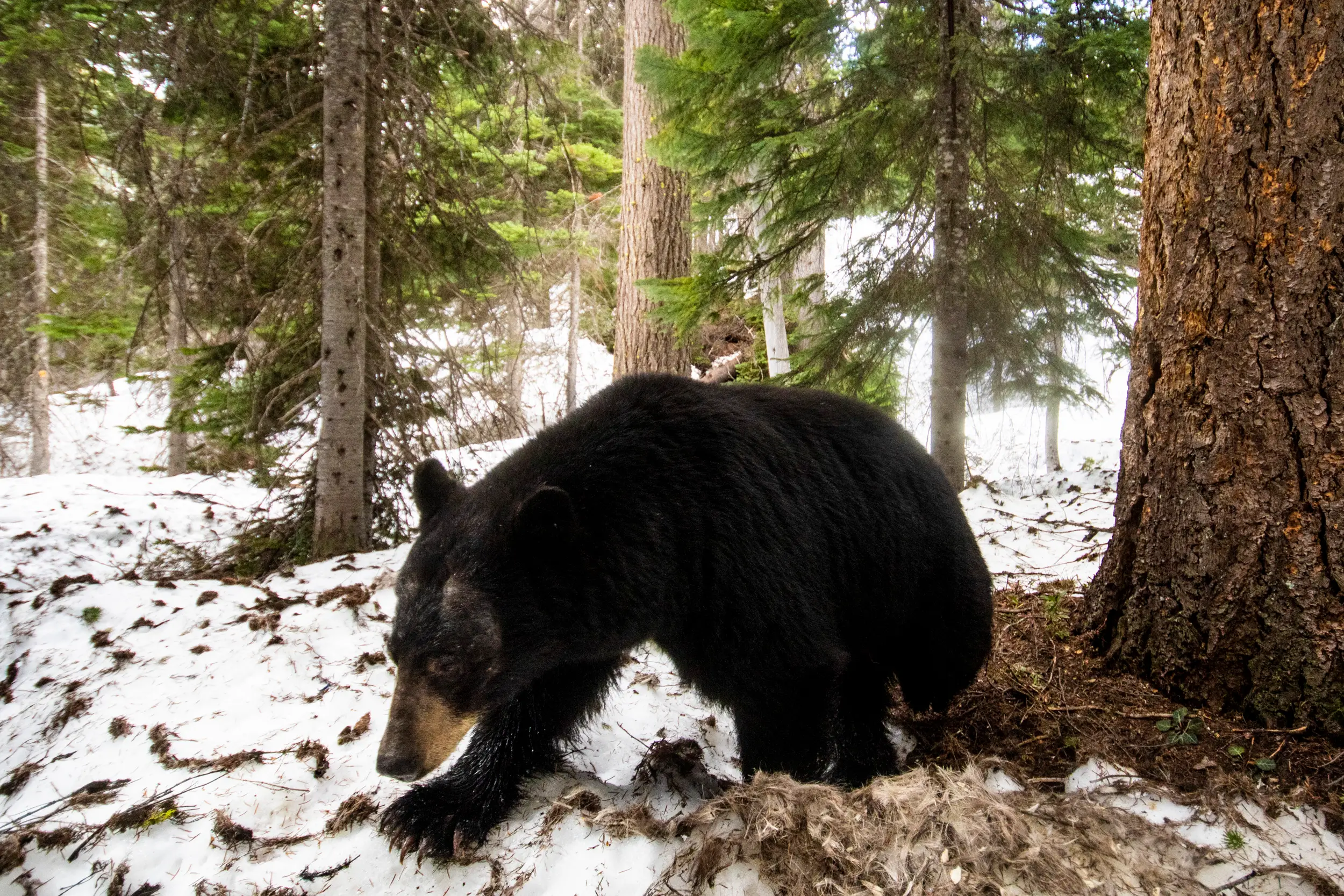
black bear CWMP
conservationnw image
Coyote crossing highway w car levels CWMP 1

There are no posts to show at this time. Please check back soon.

stay Connected

Additional Resources

Media & Archive Resources